Solar Panels for Flat Roofs — Ballasted, Roof-Safe Arrays
Specialist flat-roof solar across the UK. We survey the deck and the membrane first, design a penetration-free ballasted array to BS EN 1991-1-4 wind-uplift, and build the payback from your actual daytime load — so the roof stays watertight and the numbers stand up.
- Wind-uplift designed
- Structural sign-off
- Penetration-free
- MCS on domestic
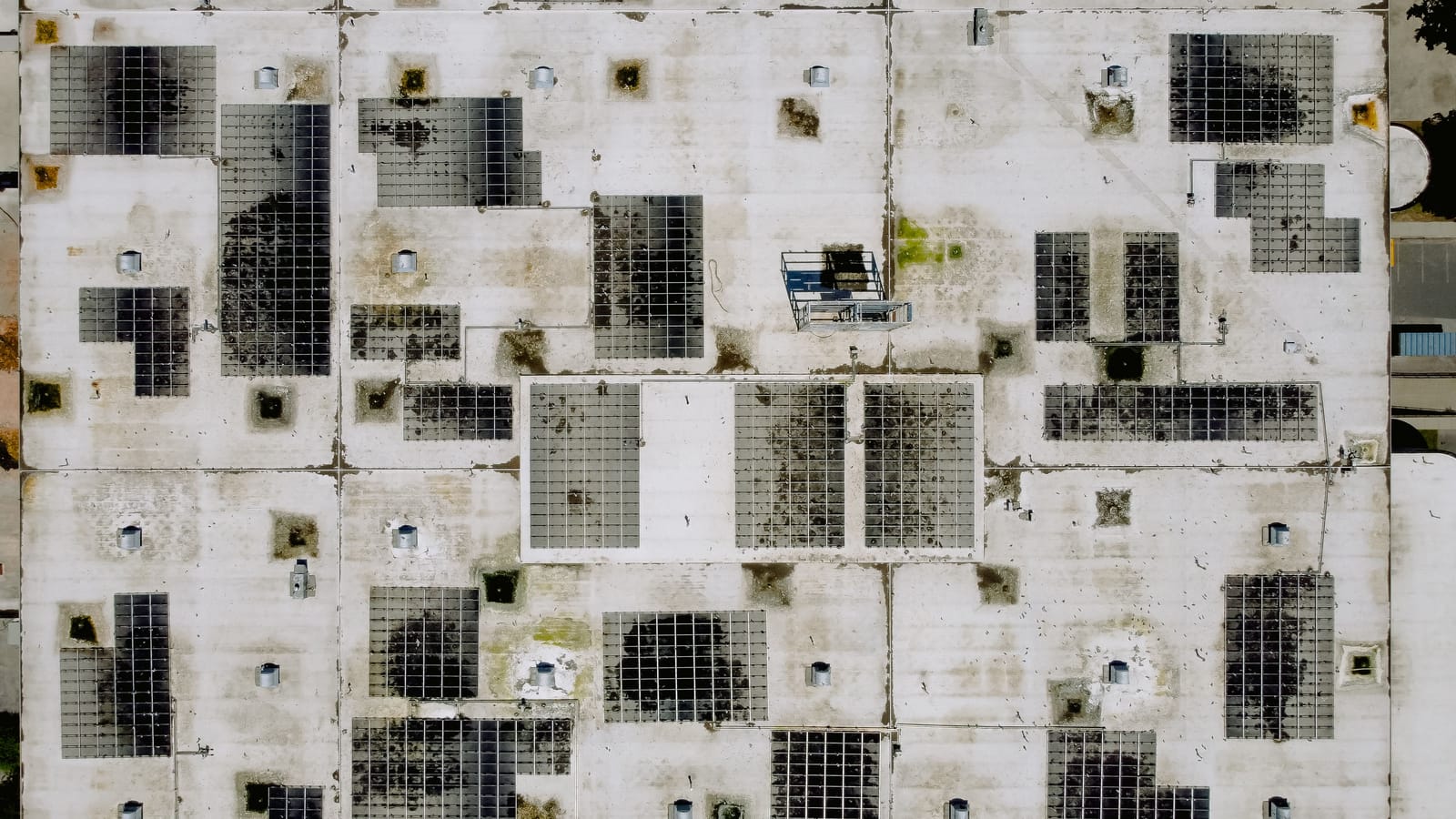
ENGINEERED TO UK STANDARDS






On a flat roof, the mounting is the whole job
Putting solar on a flat roof is a different engineering job from putting it on a pitched one, and the cost of ignoring that difference is measured in a voided roof warranty, an overloaded deck or an array that shades itself into poor returns. The generation and payback maths is the same commercial solar story — a large daytime electrical load met by on-site generation, high self-consumption, a Smart Export Guarantee tariff for the surplus and a payback typically in the region of five to eight years for a well-sited commercial system — but the roof changes how the array is built. A flat roof has no natural pitch to lay panels on, so modules sit on a mounting frame tilted to roughly 10 to 15 degrees, usually in south-facing or dual east-west rows, and those rows have to be spaced far enough apart to stop one row shading the next, which is why a flat roof needs more area per kilowatt-peak (roughly 8 to 10 square metres per kWp) than a pitched roof. The frame is held down one of two ways: a ballasted, penetration-free system weighted with concrete blocks that never pierces the membrane, or a mechanically-fixed system bolted through to the structure with fully-sealed, warranty-approved penetrations. Which one is right is decided by a wind-uplift calculation to BS EN 1991-1-4, the residual load the deck can carry (a ballasted array typically adds around 15 to 25 kilograms per square metre, more on exposed or high-wind roofs), the membrane type and its manufacturer's requirements, and the age and condition of the waterproofing. A specialist surveys the deck and the membrane first, confirms the roof can carry the array and has enough service life left to justify a 25-year system, and designs the tilt, spacing, ballast and fixings around the roof — because no one wants to lift a new array to repair a leak underneath it. That roof-first discipline, not the panel brand, is what separates a specialist flat-roof solar installer from a generalist who quotes the same racking for every roof.
- We lead with the roof — the deck load, the membrane and the wind uplift — not the panel brand, because on a flat roof that is what makes or breaks the job.
- We mount penetration-free by default, on ballast and slip-sheets that never pierce your membrane, so your waterproofing guarantee stays intact.
- We design the ballast and fixing to BS EN 1991-1-4 wind-uplift and confirm the deck's residual capacity before we load a single panel.
- We tilt to 10 to 15 degrees and space the rows to stop self-shading, and we will lay them south or east-west depending on which earns you more.
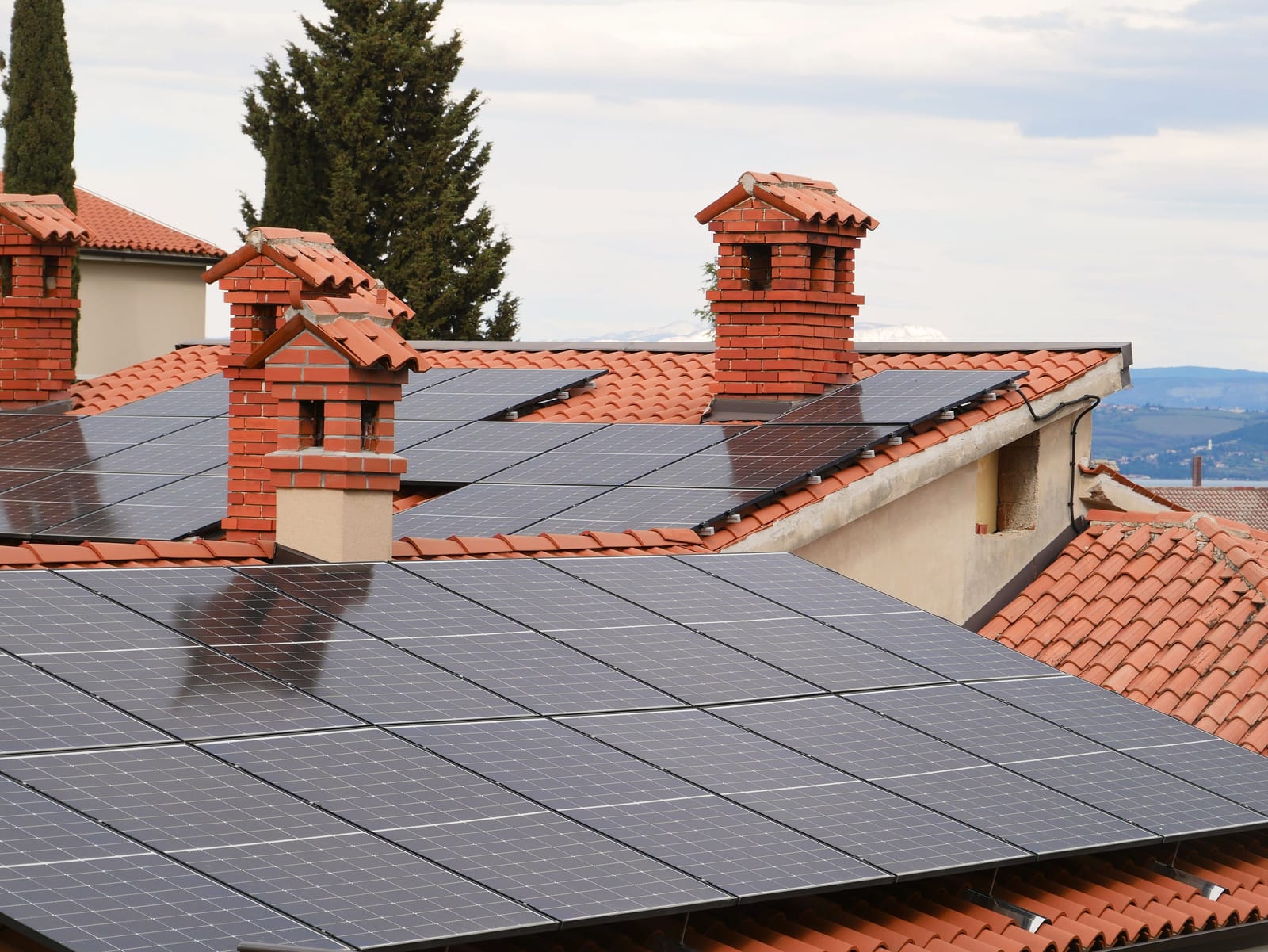
What a flat-roof array actually involves
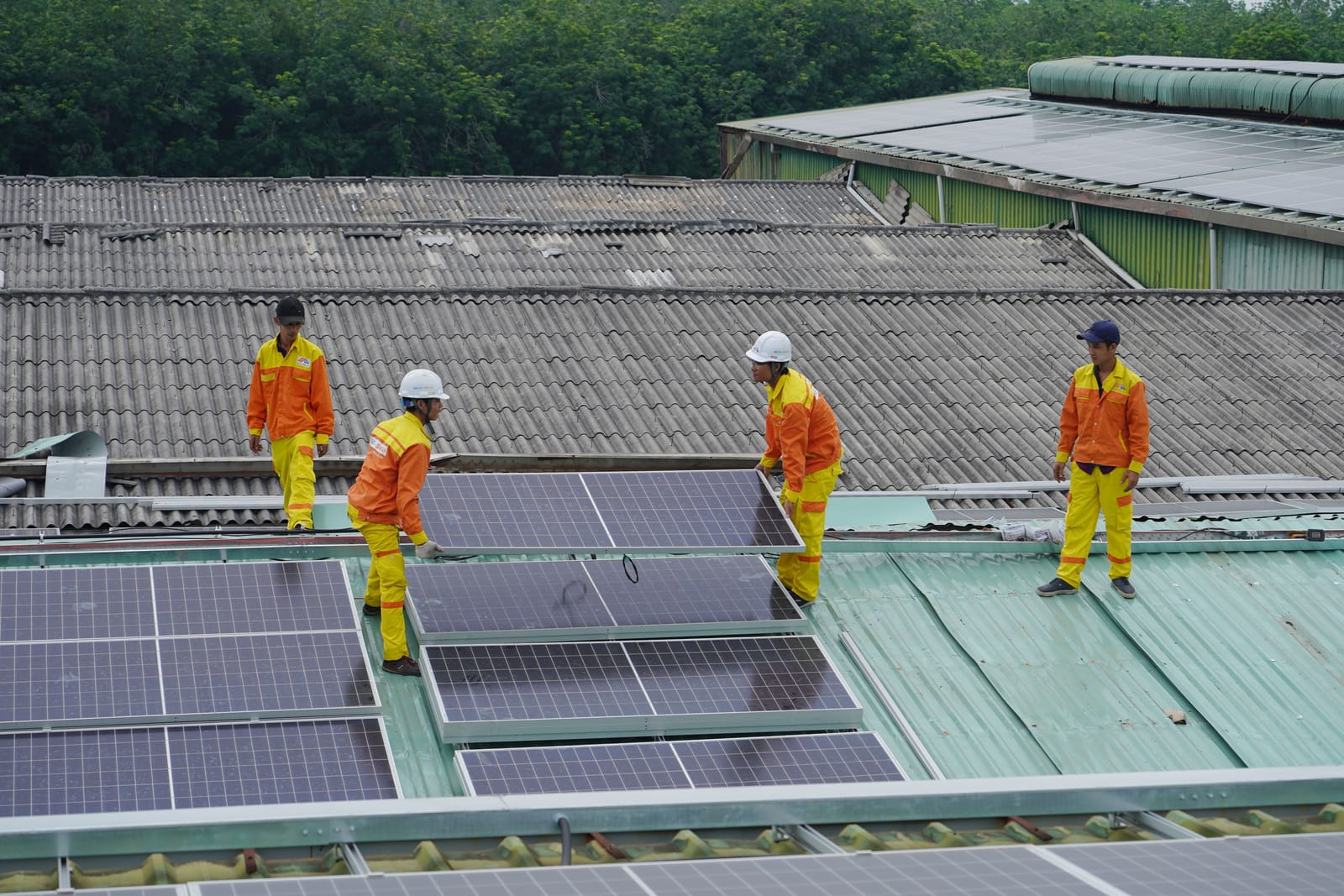
520 kWp ballasted east-west array on a distribution warehouse
A distribution warehouse on a trading estate with a large single-ply flat roof and a strong daytime load from lighting, chargers and refrigeration. The owner wanted to cut a rising electricity bill and meet a customer-driven Scope 2 target without piercing the roof membrane. Representative, modelled scenario, not a named client.
Roof first, panels second
A specialist starts with the deck and the membrane, not the panel brand. No high-pressure sales.
- 01Day 1-7
Free desk feasibility
We pull your half-hourly meter data and roof drawings, model the system and share an indicative proposal — no obligation.
- 02Week 2-4
Roof & structural survey
A named surveyor checks the deck, the membrane type and its remaining life, the wind zone and shading. A structural engineer confirms the deck can carry the array.
- 03Month 2-6
Design, DNO & (if needed) roof
Ballast designed to BS EN 1991-1-4, layout set out around plant, G99 grid application submitted. If the roof is life-expired we renew it first.
- 04Month 6-9
Install & commission
Penetration-free array installed with your operation running below, then commissioning, monitoring and handover.
By building type and mounting method
Warehouses, industrial units and offices, plus the ballasted and lightweight systems that suit different decks — and domestic flat roofs.
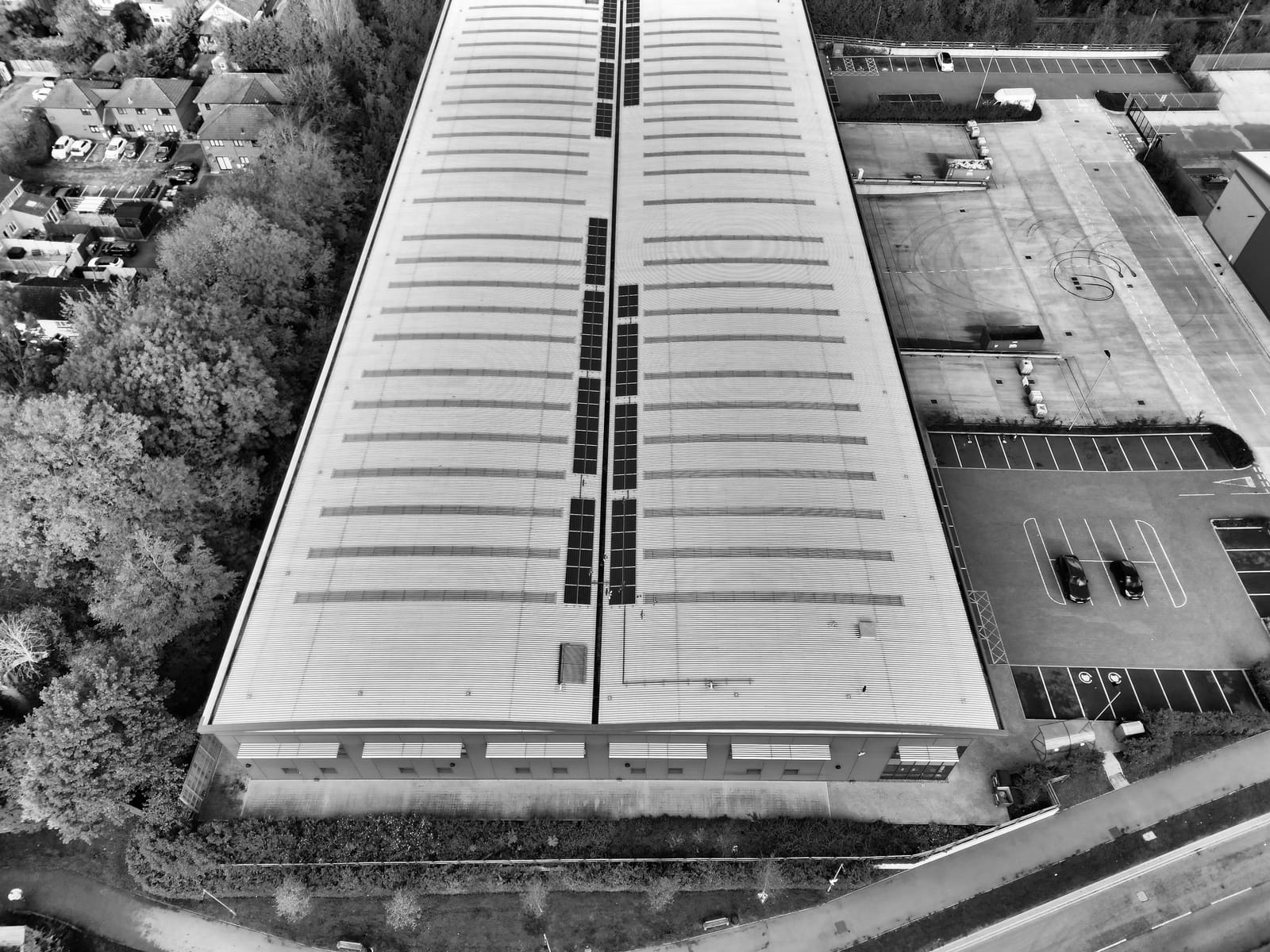
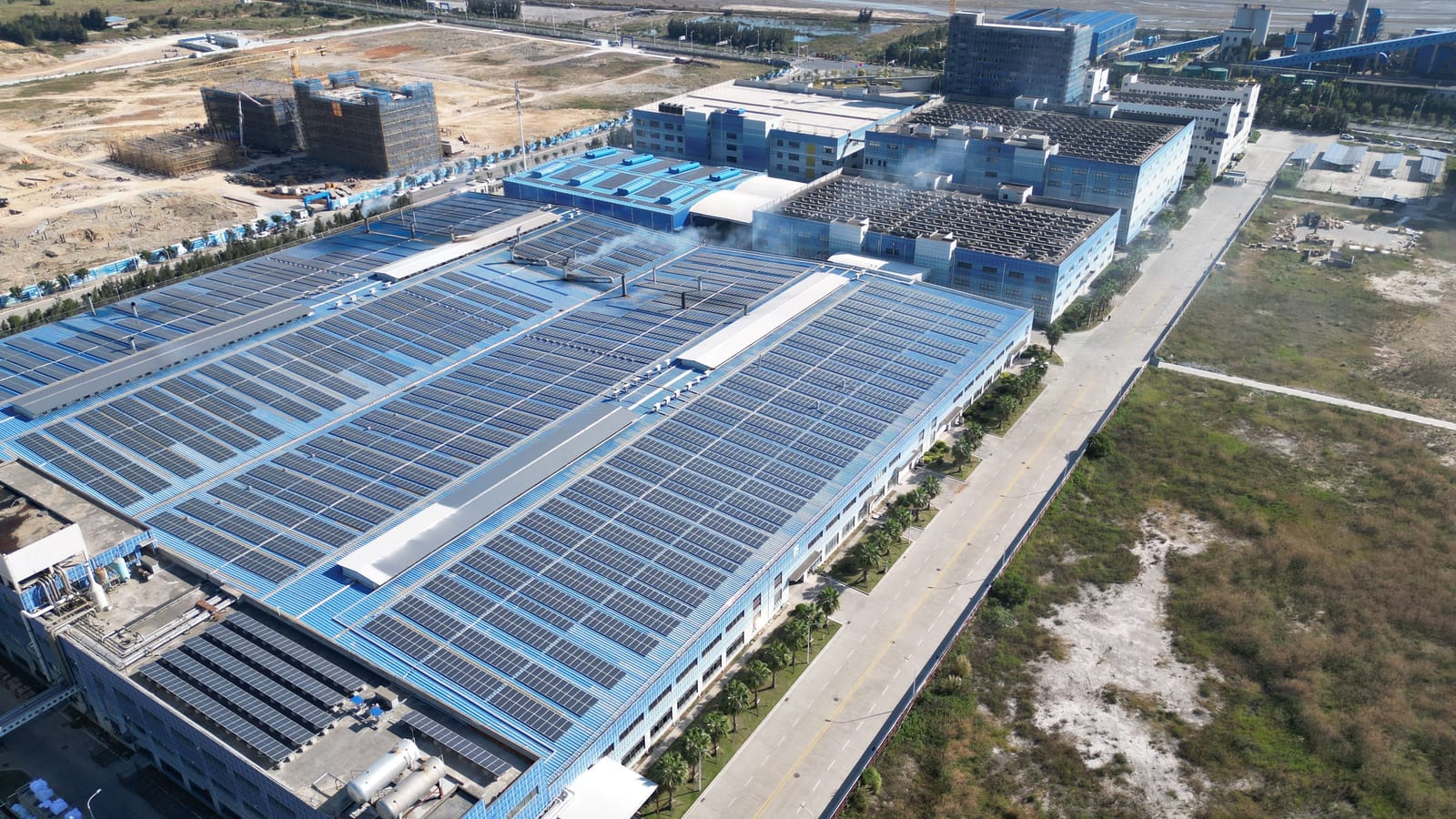
Warehouse & Distribution Centre Flat Roofs
250-1,500 kW. ~6-year payback. £180,000-£1.1m.
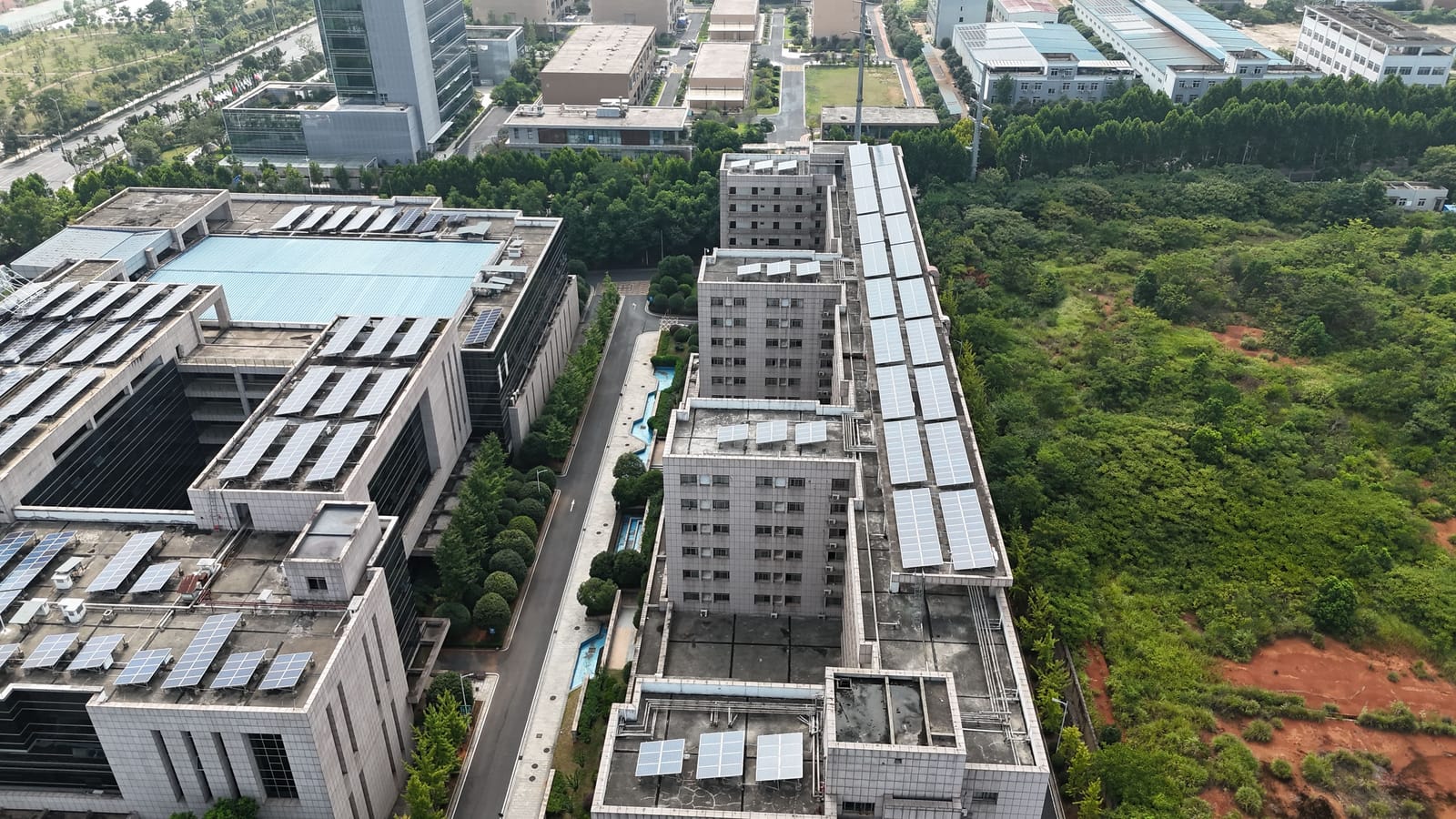
Industrial & Manufacturing Unit Flat Roofs
150-1,000 kW. ~5.5-year payback. £110,000-£750,000.
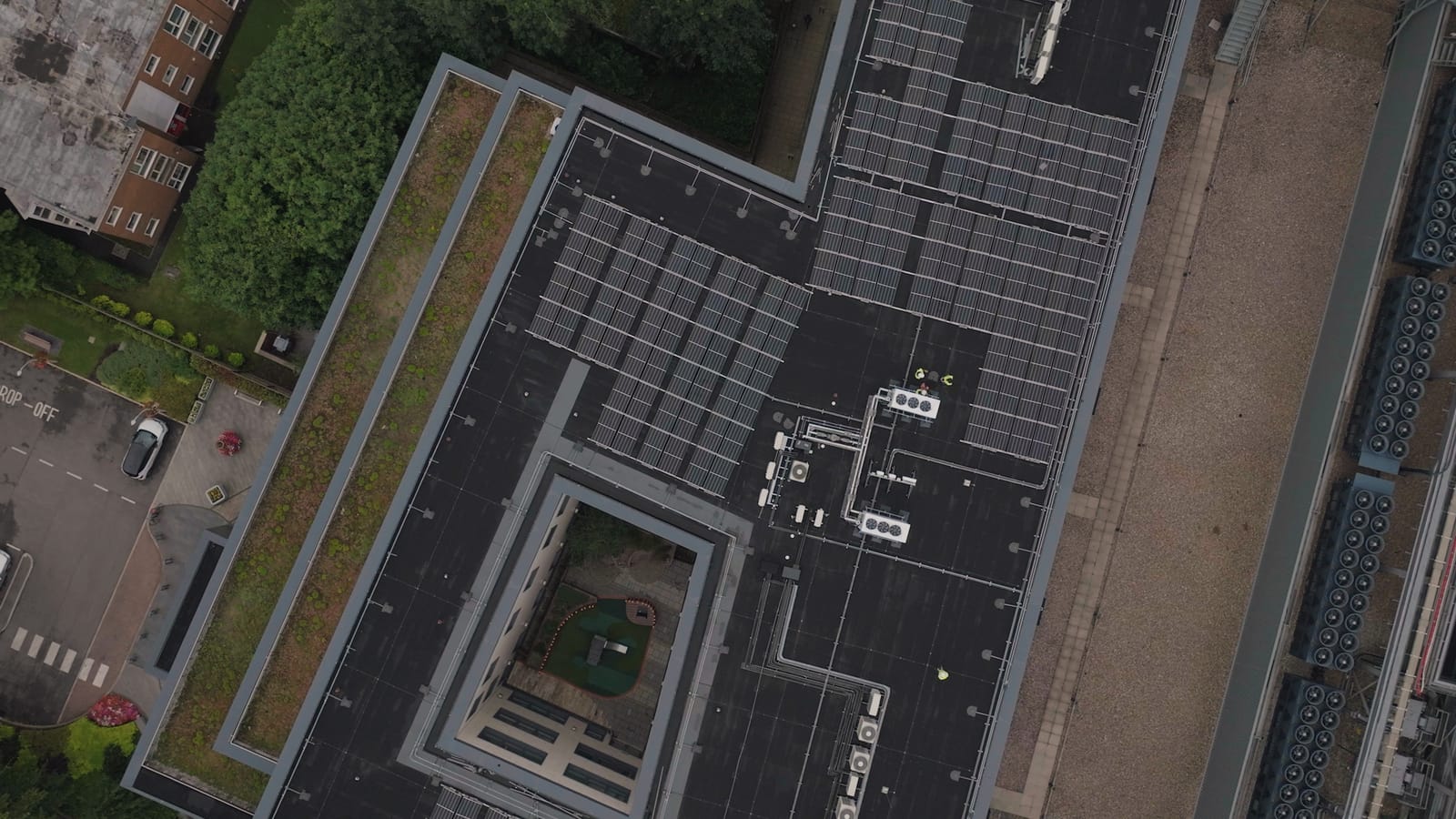
Office & Commercial Building Flat Roofs
50-400 kW. ~7-year payback. £40,000-£320,000.
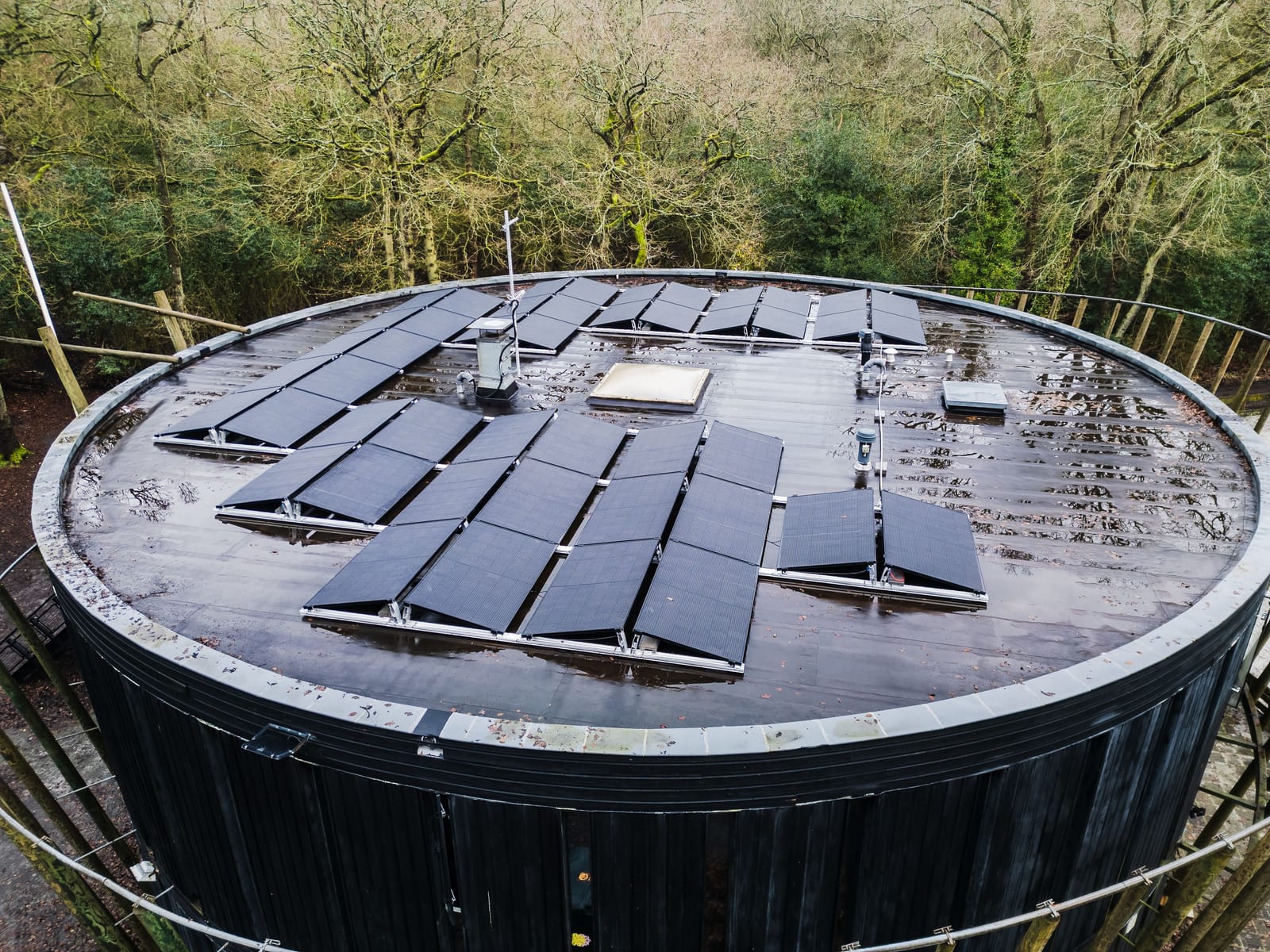
Ballasted, Penetration-Free Mounting Systems
50-1,500 kW. ~6.5-year payback. £40,000-£1.1m.
Lightweight Solar for Weak & Membrane Decks
30-300 kW. ~7.5-year payback. £28,000-£240,000.
Flat-Roof Extensions & Homes
3-10 kW. ~9-year payback. £5,000-£13,000.
AN ASSET, NOT AN EXPENSE
Your roof, generating power you own
A flat-roof array turns an empty roof into a 25-year-plus asset. Instead of renting your power from the grid every year, you own the means of producing it. Commercial solar is eligible for capital allowances via the Annual Investment Allowance (AIA) — it is special-rate plant, so the route is the AIA, not full expensing — and can be funded from capital, through asset finance or a lease, or under a power purchase agreement with no upfront cost. Your accountant confirms the treatment.
SELF-CONSUMPTION FIRST
The money is in the units you use
On a commercial flat roof the saving comes from self-consumption — generating power and using it on site instead of buying it. The surplus is exported and paid for under the Smart Export Guarantee, with rates quoted as at the current date, never as a fixed promise. We model the split from your actual half-hourly data and size a battery only where it earns its place.
Flat-roof specialist vs a generalist solar installer
| Flat-roof specialist (us) Roof-led, membrane-aware | Generalist installer Pitched-roof racking on everything | In-house / DIY Self-managed | |
|---|---|---|---|
| Surveys the deck & membrane first | |||
| Wind-uplift design to BS EN 1991-1-4 | Sometimes | ||
| Structural residual-capacity sign-off | |||
| Penetration-free ballast (warranty-safe) | Sometimes | ||
| Membrane-specific mounting (EPDM/TPO/felt) | |||
| Self-consumption modelled from meter data | Sometimes | ||
| Roof-condition check before a 25-yr array |
No pushy sales. No obligation.
Every proposal is itemised in writing, with the wind-uplift and structural design, the DNO position and the self-consumption model set out in full. The work carries a workmanship warranty and an insurance-backed guarantee, panels a 25-year performance warranty, and your survey is carried out by a named surveyor who visits the site — not a call centre. If your roof does not suit solar, we will tell you.
Why look at it now
- Commercial electricity prices remain volatile — on-site generation is a hedge you own.
- The 0% VAT rate on domestic flat-roof solar is currently set to revert to 5% on 1 April 2027.
- Corporate net-zero and Scope 2 reporting deadlines are bringing rooftop generation forward.
Common questions about flat-roof solar
The questions commercial property owners and facilities managers ask us most.
Can you put solar panels on a flat roof?
Yes. Solar works very well on a flat roof — in some ways better than on a pitched one, because you have complete freedom over which way the panels face. Instead of lying flat, the panels sit on a mounting frame tilted to about 10 to 15 degrees, arranged either in south-facing rows for maximum yield or in dual east-west rows that fit more capacity onto the roof and generate more evenly across the day. The one thing that has to be confirmed first is the roof itself: a survey checks that the deck can carry the array's weight and wind load and that the waterproofing membrane has enough life left to justify a 25-year system. Once that is confirmed, a flat roof is one of the best surfaces there is for solar, especially a large commercial one.
How are solar panels fixed to a flat roof without damaging it?
The standard method is a ballasted, penetration-free mounting system. The panels sit on an aluminium frame that is weighted down with concrete ballast blocks and rests on the membrane on protective slip-sheets, so nothing is drilled or bolted through the waterproofing and the roof guarantee stays intact. The ballast is heavier at the perimeter and corners where wind uplift is strongest, and the exact weight is set by a wind-uplift calculation. Where a roof cannot carry ballast, a mechanically-fixed system is used instead, with every penetration detailed and sealed to the membrane manufacturer's own specification so the waterproofing guarantee still holds. Which method is right is decided by the deck strength, the membrane type and the wind zone, not by whichever is cheapest.
Will a solar array void my flat roof warranty?
Not if it is installed correctly. A ballasted, penetration-free system never pierces the membrane, so the waterproofing guarantee is unaffected — this is exactly why it is the default method on a flat roof. Where a mechanical fixing is genuinely necessary, the penetrations are made and sealed by a method the membrane manufacturer approves, which preserves the guarantee. The risk to a warranty comes from the wrong installer treating a flat roof like a pitched one and drilling through the membrane without following the manufacturer's detail. We confirm your membrane type and its manufacturer's requirements as part of the survey and mount the array in a way that keeps your roof watertight and your guarantee valid.
Can my flat roof take the weight of solar panels?
Usually yes, but it is always checked before anything is designed. A ballasted flat-roof array adds roughly 15 to 25 kilograms per square metre of dead load, more on an exposed or high-wind roof, plus the wind uplift the system has to resist. A structural engineer assesses the deck's residual capacity — what it can carry on top of its own weight and existing loads — and that determines whether a full ballasted system, a lighter low-ballast or mechanically-fixed design, or some strengthening is the right route. Modern steel-portal warehouse and industrial roofs usually have ample headroom; older timber, plywood or marginal single-ply decks need more care. If a roof genuinely cannot carry an array, we say so.
What angle and layout are solar panels set at on a flat roof?
On a flat roof the panels are tilted to roughly 10 to 15 degrees on a mounting frame — lower than the 30 to 40 degrees that is optimal on a pitched roof — because a shallower tilt cuts the wind load and the ballast weight and lets the rows sit closer together. The rows are then either laid south-facing, which gives the highest yield per panel but needs wider spacing to avoid one row shading the next, or in dual east-west pairs, which give about 10 to 15 percent less per panel but fit far more capacity onto the same roof and produce a flatter, longer generation curve that suits an all-day business load. The right choice depends on the roof size, the shape and how you use electricity, and it is designed to squeeze the best return from your particular roof.
How much roof area do I need for solar on a flat roof?
As a rule of thumb, a flat roof needs about 8 to 10 square metres per kilowatt-peak of solar, compared with roughly 5 to 6 square metres on a pitched roof. The difference is the inter-row spacing: on a flat roof the tilted rows have to be spaced apart so they do not shade each other through the low winter sun, which uses more area per panel. So a 250 kWp commercial system needs somewhere in the region of 2,000 to 2,500 square metres of usable flat roof, allowing for plant, rooflights, access walkways and the perimeter set-back. A survey measures the genuinely usable area around obstructions rather than assuming the whole footprint is available.
Flat-roof solar across the UK
Local feasibility, council net-zero context and grid-connection timescales, wherever your roof is.
London
Greater London. 8,908,081 population. Greater London Authority 2030 net zero.
Birmingham
West Midlands. 1,141,816 population. Birmingham City Council 2030 net zero.
Leeds
West Yorkshire. 793,139 population. Leeds City Council 2030 net zero.
Sheffield
South Yorkshire. 584,853 population. Sheffield City Council 2030 net zero.
Manchester
Greater Manchester. 568,996 population. Manchester City Council 2038 net zero.
Bradford
West Yorkshire. 546,412 population. Bradford Council 2038 net zero.
Get a free flat-roof solar feasibility
Responds within one working day
- 1. Free desk feasibility from your meter data and roof, no obligation.
- 2. Site survey and a fixed-price proposal, itemised in writing.
- 3. Install and aftercare by MCS-certified engineers.
- MCS Certified
- NICEIC
- RECC
- TrustMark